
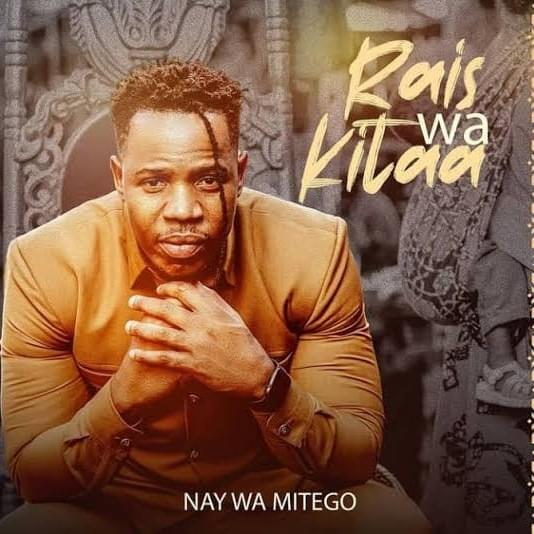
The Journey of Nay Wa Mitego: From Rebellion to Resilience
Emmanuel Elibariki Munisi, better known as Nay Wa Mitego, has always walked a different path. At 39 years old, this Tanzanian rapper has transformed his tumultuous experiences into a powerful musical career that challenges societal norms and political oppression. Born and raised in the challenging environment of Manzese, a ghetto in Dar es Salaam, Nay’s early life was marked by rebellion and a struggle for independence.
Early Life and Education
Nay’s childhood was anything but ordinary; it was filled with hardships that shaped his identity. He recalls leading a gang during his youth, which led to a significant rift with his mother, affectionately called Bi Mkubwa. “My education has elements of gangsterism because I learned the hard way,” he reflects. Although he had the option for someone to support his education, he chose to pay his own fees through various blue-collar jobs after being estranged from his mother due to his rebellious nature.
His mother’s disapproval stemmed primarily from his passion for rap music, which she associated with delinquency. “She thought rap would lead me astray, like many others she had seen fall into crime,” Nay explains. Despite being supportive of his love for school and football, it was his burgeoning interest in music that caused a significant fallout. Kicked out of his home at age 12, Nay found solace in music, which ultimately became his saving grace.
Rise to Prominence
Nay Wa Mitego’s foray into music would later propel him to fame and financial success. However, his outspoken nature and hard-hitting lyrics have consistently put him at odds with the political establishment. As he often refers to himself, he is the “Rais Wa Kitaa” or the “Street President,” voicing the struggles and aspirations of the underprivileged.
His lyrics serve as a platform for political critique, targeting the ruling party, Chama Cha Mapinduzi. Nay claims that he has been approached repeatedly to produce songs that glorify the current government, but he staunchly refuses to compromise his integrity. “I do not belong to any political party. I have received offers from both CCM and Chadema, but my conscience is clear. Coming from the ghetto, I understand real life. I won’t be a sell-out,” he asserts.
Confronting the System
In his recent work, particularly the song “Nyie Ni Nani,” Nay critiques fellow artists who have endorsed the ruling government, which has faced accusations of human rights violations, including abductions and extrajudicial killings. He raps about the dangers of silence in the face of injustice, stating, “I have never stayed silent when things go wrong,” highlighting his commitment to activism through music.
Despite government efforts to silence him, including song bans and arrests, Nay has adapted by distributing his music via streaming platforms that operate beyond governmental control. His prior release, “Nitasema,” drew accusations from the Tanzania Arts Council (Basata) for inciting public unrest and disrespecting other nations, further illustrating the risks he takes as an artist.
A Fight for Freedom
Nay’s struggles are not just professional; they extend into his personal life. His activism has placed his family in a precarious position, leading to fear for their safety. “I know I’ve put them in a difficult situation, but this is the path I’ve chosen. It’s a calling,” he admits. His relationship with his mother has since improved, as she now recognizes the positive impact of his music on his life.
Despite facing tremendous obstacles, Nay’s journey has been marked by resilience. He dropped out of high school in his final year to pursue music under the guidance of renowned producer P Funk Majani, which proved to be a pivotal decision. Becoming a father at 19 also grounded him, shifting his priorities and helping him overcome past vices like smoking and drinking.
Legacy and Impact
Nay Wa Mitego’s story is one of defiance and determination. From his roots in the slums to the limelight, he embodies the struggles and aspirations of many in Tanzania. His music not only entertains but also serves as a rallying cry for change, urging listeners to recognize the realities of their environment.
As he continues to navigate the complex landscape of Tanzanian politics and music, Nay remains unapologetic about his stance. “I have chosen a path that most artists in this country are afraid of, and I have paid dearly for it,” he states. His unwavering commitment to authenticity and social justice solidifies his status as a critical voice in the fight for a better Tanzania.