Pakistani Rupee Gains Against the US Dollar
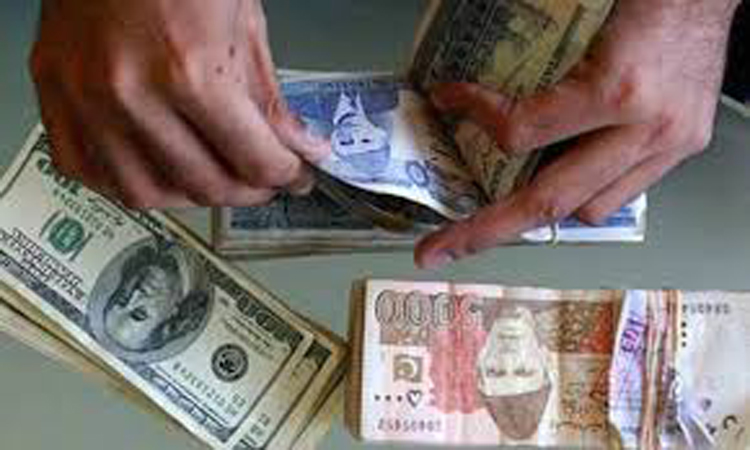
On June 25, the Pakistani Rupee demonstrated a positive trend by appreciating 10 paisa against the US Dollar during interbank trading. The currency closed at Rs 283.76, a notable improvement from the previous day’s closing figure of Rs 283.86. This shift reflects the ongoing fluctuations in the currency market, which are influenced by various economic factors.
Currency Exchange Rates Overview
Despite the Rupee’s slight gain in the interbank market, the Forex Association of Pakistan (FAP) reported differing exchange rates in the open market. The buying rate for the US Dollar was recorded at Rs 284.75, while the selling rate reached Rs 285.80. These rates indicate the varying dynamics between interbank and open market transactions, which can often differ due to demand and supply conditions.
European and Asian Currencies Also Experience Fluctuations
In addition to the movements of the Rupee against the US Dollar, other foreign currencies have also seen significant changes. The Euro experienced an increase of Rs 2.55, closing at Rs 328.95, compared to its previous day’s closing of Rs 326.40. This rise is indicative of strengthening economic ties and fluctuating market sentiments towards the Eurozone economies.
The Japanese Yen also noted a slight increase, climbing by 3 paisa to close at Rs 1.95. Such minor adjustments highlight the ongoing volatility in currency exchange rates, influenced by both local and international economic conditions.
The British Pound’s Performance
Furthermore, the British Pound showed a more pronounced increase, rising by Rs 3.98 to reach Rs 385.42, up from Rs 381.44 the day before. This significant variation underscores the ongoing economic interactions between Pakistan and the UK, particularly in trade and investment sectors.
Factors Influencing Currency Fluctuations
Several factors contribute to the fluctuations in currency exchange rates. Among them are:
- Economic Indicators: Economic growth rates, inflation, and employment figures play a critical role in shaping investor confidence and currency stability.
- Political Stability: Political events and stability within a country can greatly affect currency strength, as investors seek secure environments for their investments.
- Market Sentiment: Global market trends and investor sentiment can lead to swift changes in currency values, reflecting perceptions of risk and opportunity in various economies.
- Supply and Demand: The basic economic principle of supply and demand directly impacts currency rates. Increased demand for a currency can lead to appreciation, while oversupply may lead to depreciation.
Conclusion
The Pakistani Rupee’s slight appreciation against the US Dollar, along with the notable changes observed in other major currencies, reflects the complex dynamics of the currency exchange market. As local and global factors continue to evolve, monitoring these trends will be crucial for businesses, investors, and policymakers alike. Understanding the nuances of currency fluctuations can aid in making informed decisions regarding investments and financial strategies in an ever-changing economic landscape.