Analyzing Japan’s Diplomatic Maneuvers Amid Domestic Pressures
Japan’s recent decision to cancel scheduled security discussions with the United States has raised eyebrows among international analysts. This unexpected move is viewed as a strategic response to increasing American demands regarding defense spending, which Tokyo aims to manage without allowing trade disputes to complicate defense commitments.
The Context of the Cancellation
Scheduled for July 1, the annual “2+2” security talks were set to bring together key figures from both nations, including U.S. Secretary of State Marco Rubio and Defence Secretary Pete Hegseth, alongside Japanese Foreign Minister Takeshi Iwaya and Defence Minister Gen Nakatani. However, reports suggest that these meetings were called off following U.S. insistence that Japan ramp up its defense budget significantly, from an initially requested 3% of GDP to 3.5%.
This pressure is part of a broader strategy by Washington, which is reportedly urging all its Asian allies to aim for defense expenditures as high as 5% of their respective GDPs. The implications of such demands are significant, particularly for Japan, which currently allocates around 1.8% of its GDP to defense and has plans to reach 2% by 2027.
Strategic Considerations and Domestic Stability
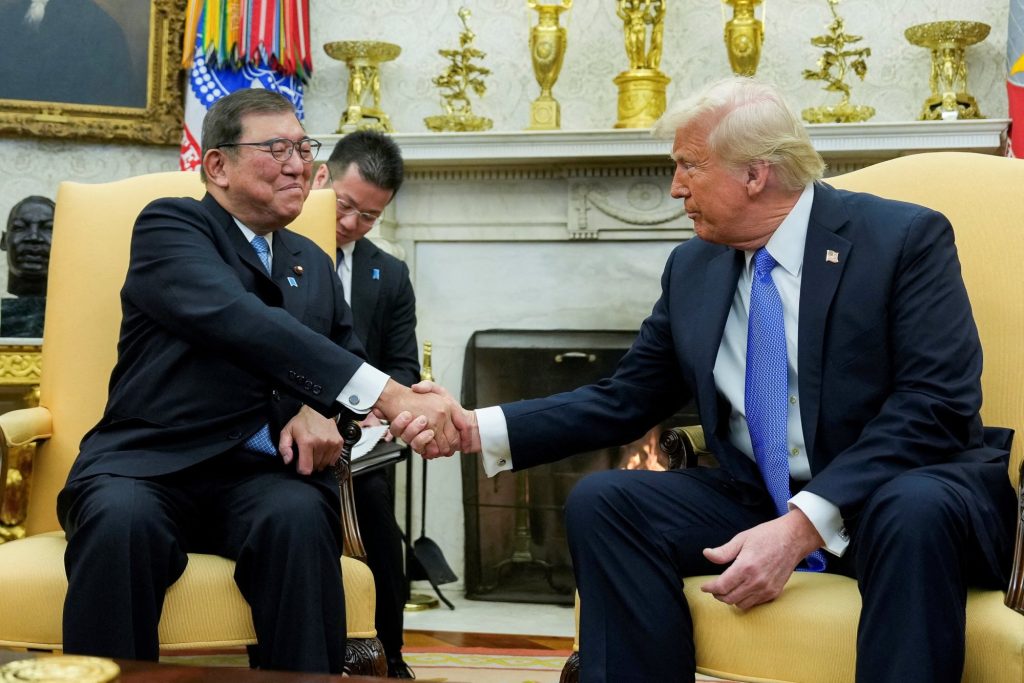
Experts believe that the cancellation of the talks reflects a tactical decision by Japan to separate tariff negotiations from defense discussions. Yoichiro Sato, a professor at Ritsumeikan Asia-Pacific University, explained that the current administration under Prime Minister Shigeru Ishiba is grappling with a weak political mandate, making it difficult to handle simultaneous pressures from the U.S. on multiple fronts.
Sato noted that the Japanese government seeks to avoid paralysis due to excessive U.S. linkage of trade and defense issues. The cancellation allows Japan to focus on its domestic challenges, particularly as it prepares for the Upper House election scheduled for July 20. By postponing discussions with Washington, Tokyo hopes to negotiate from a position of strength once the election results are in.
The Political Landscape
The ruling Liberal Democratic Party (LDP) faces a challenging political environment, especially following a disappointing performance in recent local elections, which has heightened public frustration over rising prices. Analysts like Tom Corben from the United States Studies Centre have suggested that Ishiba’s administration is in a precarious position, needing to balance the demands of U.S. defense spending with the realities of Japan’s economic situation.
Corben emphasized that any decisions regarding defense spending should be based on Japan’s capabilities rather than arbitrary targets set by external parties. This perspective is particularly relevant given the current fiscal constraints Japan faces, such as an aging population and rising social security costs, which limit the government’s ability to increase defense spending significantly.
Energy Security Concerns
Another layer complicating Japan’s diplomatic strategy is the issue of energy security. Japan has recently resumed imports of Russian oil, which it had gradually phased out following the invasion of Ukraine. Reports indicate that Japan received a shipment of Russian crude oil, raising questions about compliance with international sanctions.
As tensions escalate in the Middle East, particularly with threats to the Strait of Hormuz—a crucial shipping route for global oil supplies—Japan’s energy security strategy becomes more critical. The potential for disruptions in oil supplies from Iran and other Gulf nations is a concern, making Japan’s relationship with the U.S. and other allies vital as it navigates these geopolitical challenges.
Japan’s Diplomatic Stance
In light of these developments, Japan has shifted its diplomatic stance, showing understanding towards Israel’s concerns amid the ongoing conflict in the region. The Japanese government has pledged to continue diplomatic efforts to ease tensions in the Middle East while simultaneously preparing for potential spikes in energy prices.
Prime Minister Ishiba’s decision to cancel a planned trip to a NATO summit in response to the crisis further underscores the importance of the situation. Japan’s ability to navigate these complex diplomatic waters will be crucial as it strives to maintain stability both domestically and internationally.
In conclusion, Japan’s recent diplomatic maneuvers highlight the intricate balancing act it faces amid increasing pressures from the United States and evolving geopolitical dynamics. The nation’s leaders are keenly aware that their decisions will significantly impact not only their domestic political landscape but also their international standing and security strategy in an increasingly uncertain world.