Thai authorities have made a significant drug bust, seizing more than 2 metric tons of crystal methamphetamine that was cleverly concealed in bags labeled as corn flour. This operation took place on a tourist boat in eastern Thailand and successfully prevented an estimated $90 million shipment from being smuggled out of the country.
Arrests Made in Rayong Province
On Saturday, officials apprehended eight individuals in Rayong province who were allegedly involved in this smuggling attempt. The group was caught trying to transport approximately 2.4 metric tons (or 2.6 tons) of crystal meth through Thailand’s southern border. While authorities did not disclose the intended destination for the drugs or their exact origin, the scale of the operation underscores the ongoing struggle against drug trafficking in the region.
The Value of the Seized Drugs
According to Thailand’s Department of Special Investigation, the value of the drugs, if sold internationally, could exceed 3 billion baht (around $90.8 million). This seizure is part of a larger pattern of illegal drug trade that has been escalating in Southeast Asia, particularly in areas known for their lax law enforcement and remote locations.
Concealment Techniques and Further Seizures
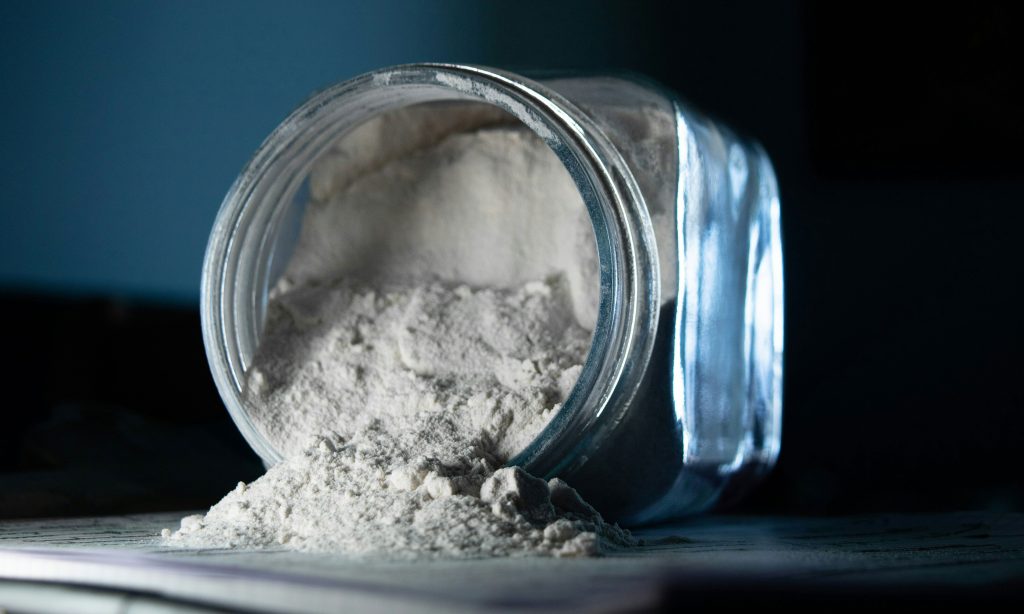
The illicit drugs were packed in plastic bags, each disguised as corn flour packages, with approximately one kilogram of methamphetamine in each bag. In addition to the drugs, authorities also confiscated a van and a truck believed to be involved in the smuggling operation. This multi-pronged approach highlights the commitment of law enforcement to dismantle trafficking networks.
Government Commitment to Combat Drug Trafficking
Prime Minister Paetongtarn Shinawatra expressed gratitude to the officials involved in the operation, emphasizing the government’s serious stance on drug policies. During a press conference, he reiterated that the administration is dedicated to combating drug trafficking and ensuring public safety.
The Regional Context of Drug Production
Experts from the United Nations have indicated that Myanmar serves as the primary source for much of the methamphetamine and heroin found in Southeast Asia. A recent report from the U.N. drug agency highlighted the alarming increase in illicit drug trade within the region, revealing that drug seizures reached record levels in 2024, totaling 236 tons—a 24% increase compared to 2023.
The Golden Triangle’s Role in Drug Trade
The area known as the “Golden Triangle,” where the borders of Myanmar, Laos, and Thailand converge, has a notorious reputation for opium and heroin production. This region has long been a hub for drug trafficking due to its geographical isolation and insufficient law enforcement measures. Over the past few decades, the production of methamphetamine has surged, surpassing that of opium and heroin, largely because meth is easier and cheaper to manufacture on an industrial scale.
Conclusion
The recent seizure in Thailand is a stark reminder of the ongoing battle against drug trafficking in Southeast Asia. As authorities continue to clamp down on these operations, the collaboration between countries in the region, alongside international support, will be crucial in addressing the challenges posed by the burgeoning drug trade. The fight against this pervasive issue remains a top priority as governments aim to protect their citizens and dismantle the networks that facilitate such illegal activities.