Diplomatic Engagements Amid Middle East Tensions
In a significant display of international diplomacy, Prime Minister Shehbaz Sharif of Pakistan engaged in critical conversations with key leaders regarding the escalating situation in the Middle East. These discussions encompassed a range of issues, including the ongoing conflict between Iran and Israel, and highlighted Pakistan’s commitment to promoting peace and stability in the region.
Support for De-escalation and Dialogue
Prime Minister Sharif initiated a phone call with Saudi Crown Prince Mohammed bin Salman, during which they exchanged perspectives on the rapidly changing geopolitical landscape. The Prime Minister emphasized Pakistan’s strong backing for an immediate de-escalation of tensions in the Iran-Israel conflict. He advocated for a peaceful resolution through dialogue and diplomatic channels, calling on all parties involved to adhere to international law and the principles outlined in the United Nations Charter.
Sharif also expressed his deep gratitude for Saudi Arabia’s steadfast support during Pakistan’s recent tensions with India. He reiterated Pakistan’s readiness to engage in meaningful discussions with India on critical issues, including Jammu and Kashmir, water disputes, trade relations, and counter-terrorism efforts.
Acknowledgment from Saudi Leadership
In response, Crown Prince Mohammed bin Salman thanked Prime Minister Sharif for his call and welcomed Pakistan’s solidarity with Saudi Arabia. He recognized Pakistan’s proactive role in seeking a peaceful resolution to the Iran-Israel conflict and reaffirmed Saudi Arabia’s commitment to fostering lasting peace and stability in the Middle East.
Engagement with Iran
Separately, Prime Minister Sharif held a conversation with Dr. Masoud Pezeshkian, the President of Iran. During this call, Sharif reiterated Pakistan’s support for Iran across various diplomatic platforms, including the United Nations Security Council and the Organization of Islamic Cooperation (OIC). He stressed the importance of dialogue and diplomacy in restoring peace in the region.
President Pezeshkian expressed gratitude for Pakistan’s consistent and principled support during the ongoing crisis and acknowledged the importance of unity among the Muslim community in these challenging times. Both leaders agreed to remain in communication and cooperation.
China’s Support for Pakistan
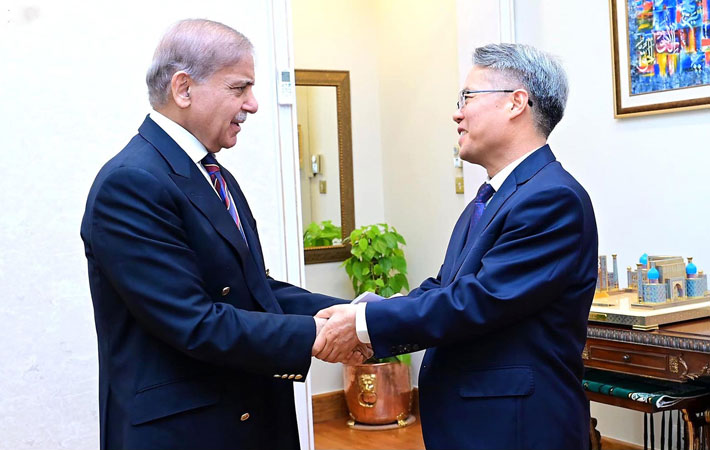
On the same day, the Chinese government expressed its appreciation for Pakistan’s active role in pursuing regional peace. The Chinese Ambassador to Pakistan, Jiang Zaidong, met with Prime Minister Sharif in Islamabad to discuss the evolving security situation. Ambassador Jiang praised Pakistan’s efforts on international platforms for resolving regional challenges through peaceful means, emphasizing the necessity of dialogue and diplomacy.
During their meeting, Prime Minister Sharif reaffirmed Pakistan’s commitment to its longstanding “All Weather Strategic Cooperative Partnership” with China, underscoring the importance of timely and effective implementation of key projects under the China-Pakistan Economic Corridor (CPEC). The ambassador reiterated China’s dedication to its strategic partnership and support for regional peace and stability.
Meetings with Regional Ambassadors
Earlier in the day, Prime Minister Sharif convened separate meetings with the ambassadors of Saudi Arabia and Qatar to discuss the deteriorating situation in the Middle East, particularly following Iran’s missile strike on the U.S. Al Udeid Air Base in Qatar. In these discussions, he reaffirmed Pakistan’s unwavering solidarity with the people of both nations, emphasizing that diplomacy remains the only viable path to achieving lasting peace in the region.
Conclusion
The ongoing diplomatic engagements by Pakistan signal a commitment to fostering dialogue and cooperation amid escalating tensions in the Middle East. With calls for peace and discussions with regional leaders, Pakistan aims to play a constructive role in stabilizing the area, reflecting its dedication to international collaboration and regional unity. As the situation evolves, the emphasis on diplomacy and dialogue remains paramount in addressing the challenges faced by nations in the region.