
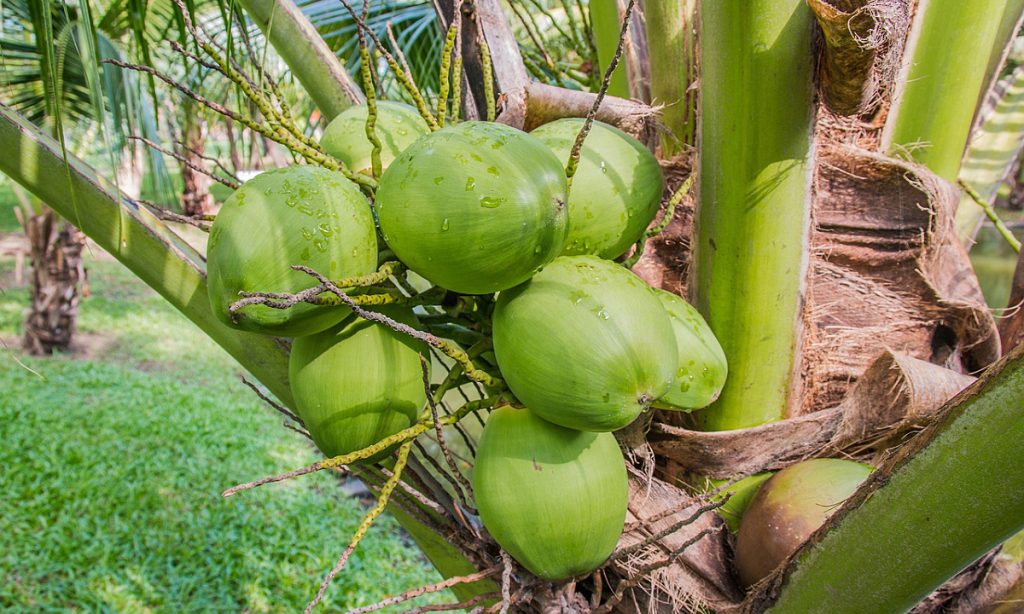
Rising Coconut Prices Driven by Global Demand
The price of coconuts has surged dramatically in recent years, soaring six-fold since 2022 to reach VND190,000 (approximately US$7.26) per dozen. This increase is primarily fueled by a significant rise in global demand for coconut products, which span various industries including food, cosmetics, and biofuels.
Factors Contributing to Price Increase
According to insights from the Vietnam Coconut Association, the burgeoning demand for coconut-derived products has coincided with a decline in domestic output. Several factors are contributing to this decrease, notably:
- Climate Change: Unpredictable weather patterns and climate-related challenges are affecting coconut production.
- Prolonged Droughts: Extended periods of drought have further strained the ability of farmers to maintain healthy coconut trees.
- Pest Infestations: Increasing pest problems have led to crop losses.
- Outdated Farming Techniques: Many farmers are not utilizing modern agricultural practices, which limits their productivity.
Despite the rising prices, only 20% of coconut farmers are making adequate investments in essential practices such as crop care, fertilization, and pest control. The remaining farmers typically rely on natural growth methods, resulting in low and inconsistent yields.
Changes in Import Regulations
The international market has also seen significant shifts in import regulations. The United States opened its doors to fresh coconut imports from Vietnam in 2023, a move that was echoed by China the previous year. Additionally, several Middle Eastern nations have increased their purchases of Vietnamese coconuts, further straining local supply chains and contributing to the price increase.
Cao Ba Dang Khoa, the general secretary of the Vietnam Coconut Association, emphasized that while higher prices offer immediate financial benefits to farmers, processing companies are finding it challenging to raise their prices in the global market. This is largely due to fierce competition from other coconut-producing countries.
Regional Context: Price Trends in Neighboring Countries
The trend of rising coconut prices is not isolated to Vietnam. Neighboring countries such as Thailand, Malaysia, the Philippines, and Indonesia are also experiencing increases in coconut prices, reflecting a regional pattern in the coconut market.
Production Landscape in Vietnam
Vietnam boasts over 200,000 hectares dedicated to coconut cultivation, with annual harvests reaching approximately two million tons. This substantial agricultural base highlights the importance of coconuts to the country’s economy and farming community.
Growth in Processing Facilities
The coconut processing industry in Vietnam has seen considerable growth in recent years. The number of processing facilities has expanded from just eight in 2015 to an anticipated 45 by 2024. Notable companies like Betrimex, Luong Quoi, and Beinco have made significant investments in modern technologies to enhance their processing capabilities.
Conclusion
The dramatic rise in coconut prices is a multifaceted issue influenced by global demand, local production challenges, and evolving market dynamics. As Vietnam continues to adapt to these changes, the future of its coconut industry will depend on how effectively farmers and processing companies can innovate and respond to both domestic and international market conditions. The ongoing investments in technology and farming practices may play a crucial role in shaping the industry’s trajectory amidst these growing demands and challenges.