Global Trade Tensions and Economic Outlook
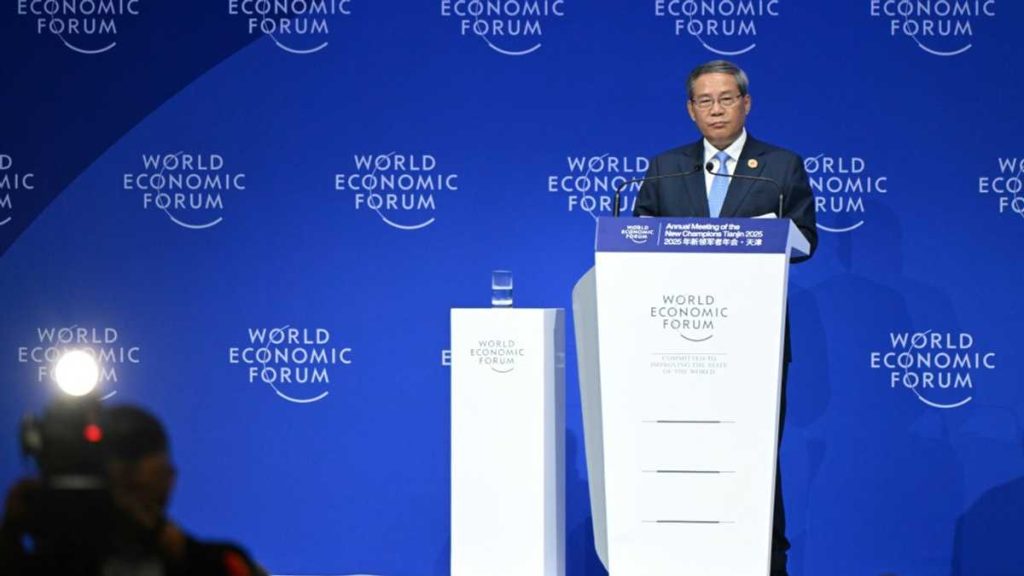
In a recent address at the opening ceremony of the World Economic Forum in Tianjin, Chinese Premier Li Qiang highlighted the growing tensions in global trade. This gathering, often referred to as the “Summer Davos,” has drawn a number of high-profile attendees, including Singaporean Prime Minister Lawrence Wong.
Intensifying Trade Frictions
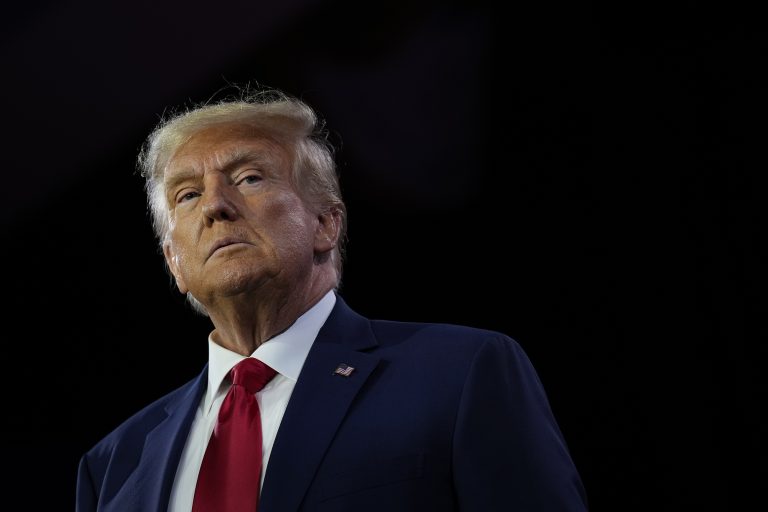
Li expressed concerns about the increasing protectionist measures that are reshaping global trade dynamics. He noted, “Protectionist measures are significantly increasing and global economic and trade frictions are intensifying.” This statement reflects the broader context of escalating tariffs, particularly those imposed by the United States under former President Donald Trump.
The Premier emphasized the interconnectedness of the global economy, stating, “The global economy is deeply integrated, and no country can grow or prosper alone.” In challenging times, he argued, nations should not resort to a “law of the jungle,” where the vulnerable are at the mercy of the powerful. Instead, he called for cooperation and strategies that promote mutual success, advocating for a win-win approach to economic challenges.
China’s Economic Resilience
Despite the pressures from global trade tensions, Li painted an optimistic picture of China’s economic prospects. He asserted that the Chinese economy, the second-largest in the world, is “continuing to grow steadily,” providing vital support for the global economic recovery. “China is stepping up our efforts to implement the strategy of expanding domestic demand,” he stated, indicating a commitment to transforming the country into a major consumer market, leveraging its strong manufacturing base.
The Chinese government has set an ambitious growth target of approximately five percent for this year. However, many economists view this goal with skepticism. Since late last year, officials have introduced various measures aimed at boosting domestic spending, including cuts to key interest rates and incentives to stimulate the housing market. The effectiveness of these policies, however, has been inconsistent, particularly in light of the pressures that US tariffs exert on China’s extensive manufacturing sector.
Economic Projections and Expert Opinions
Leah Fahy, an economist specializing in China at Capital Economics, recently noted an expectation for continued slowing in the Chinese economy over the coming months. This perspective aligns with broader concerns regarding the sustainability of China’s growth amidst external pressures.
Li’s address at the World Economic Forum positioned China as a defender of a rules-based international trading system, which is perceived as being under threat due to the aggressive trade policies of the Trump administration. His remarks were reminiscent of President Xi Jinping’s recent discussions with Prime Minister Wong in Beijing, where Xi urged countries to resist a “return to hegemony” and protectionism.
The Future of Globalization
The shifting landscape of globalization was a significant point of discussion at the forum. WEF President and CEO Borge Brende remarked that it is “too early to say” how Trump’s tariff policies will ultimately impact the global economy. He noted that the traditional form of globalization has evolved into a different system, suggesting that the world may face a “decade of lower growth.”
As global trade dynamics continue to shift, the emphasis on cooperation and collaboration remains critical. The challenges posed by protectionism and economic nationalism highlight the need for nations to work together to foster stability and growth in an increasingly complex economic environment.
Conclusion
In summary, the dialogue at the World Economic Forum underscores the importance of addressing rising trade tensions while navigating the complexities of a changing global economy. With China asserting its role as a key player in this landscape, the international community faces the task of finding pathways to cooperation that can counteract the forces of protectionism and promote sustainable economic growth for all.